
Rethinking How STEM Begins
STEM learning doesn’t have to start in a lab. In fact, for most young learners, the best way to step into STEM isn’t through circuits or robotics, it’s through a story.
Children are natural storytellers and curious problem-solvers. They ask questions, imagine what’s possible, and connect emotionally to characters and challenges. When they notice problems, they dream up solutions. So, when we use books as a starting point for STEM exploration, we tap into students' natural instincts and invite them to use their imagination to build inventions.
Just like books give students a familiar foundation, they give teachers a path forward, especially those who may not think of themselves as “STEM teachers.” When literacy becomes the bridge, STEM feels less like a separate subject and more like a natural extension of what’s already happening in the classroom.
In this post, we’ll explore why reading is such a powerful bridge to STEM for both students and educators, and how integrating books into STEM instruction makes learning more approachable, inclusive, and meaningful.
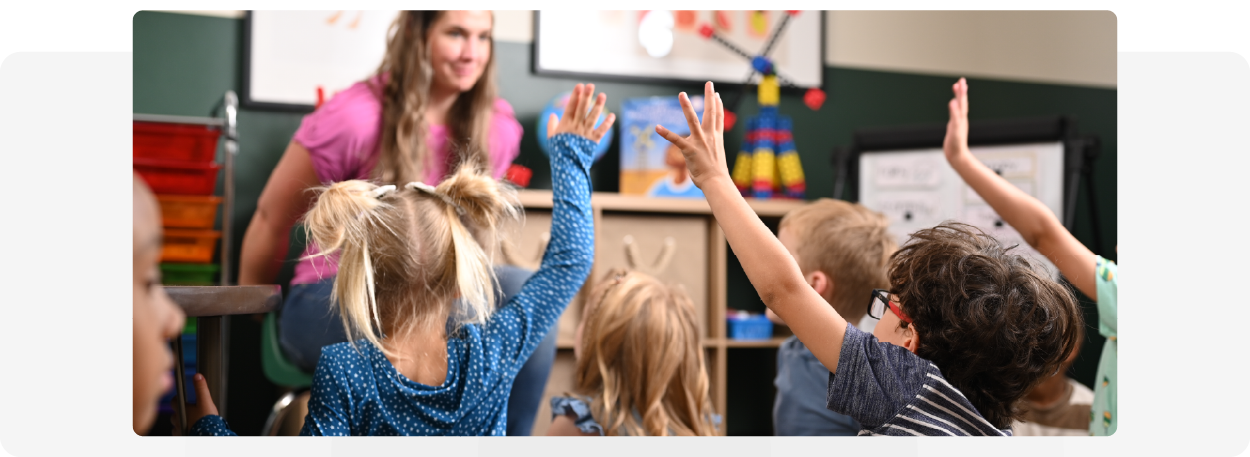
Why Reading Is a Natural Entry Point for Students
Before children ever encounter words like “engineer,” “data,” or “design thinking,” they know how to engage with a story.
Stories are safe. They are familiar, predictable in structure, and emotionally rich. When a STEM challenge emerges from a story, students aren’t being asked to jump into the unknown; they’re being invited to help.
Here’s why this works:
-
Stories create context. Abstract ideas become real when children can connect to a character’s problem. Instead of building “just because,” students are building to help someone cross a river, solve a problem, or improve a situation. The work has purpose, which increases engagement and persistence.
-
Books disarm anxiety. For students who feel unsure about science or math, stories lower the stakes and spark curiosity without pressure.
-
Narratives fuel imagination. Stories invite students to imagine possibilities beyond what exists. They ask “What if?” and “What could work?”, the same questions at the heart of engineering and invention. Students begin to see themselves as creators, not just learners following directions.
-
Language builds confidence. Through discussion and reflection, students gain the vocabulary to describe ideas, explain reasoning, and collaborate. They learn how to talk like problem-solvers before they’re ever asked to label themselves as scientists or engineers.
When STEM begins with a book, students aren’t being asked to “do STEM” right away. They’re being asked to listen, think, wonder, and imagine. And from there, invention becomes a natural next step.
How Stories Lower Barriers to STEM
Read-alouds intentionally remove decoding as a barrier.
For English Language Learners and reluctant readers, decoding can interfere with comprehension and reasoning. When educators lead a read-aloud, students gain access to grade-level ideas, rich vocabulary, and complex problems through listening and discussion rather than independent reading. This creates equitable access to the challenge before students ever begin building.
Stories also help establish shared background knowledge. One of the most significant barriers for English Language Learners isn’t ability, it’s uneven background knowledge. A story creates a common context so every student understands the problem they are being asked to solve. Instead of guessing at expectations, students can focus their energy on problem-solving and invention.
Emotional safety matters, too. Research shows that anxiety and fear of failure can block learning and language acquisition. Familiar story structures help lower pressure and create a safer entry point for participation. When students feel secure, they are more willing to take risks, share ideas, and experiment with solutions.
When STEM begins with a story, more students see a way in.
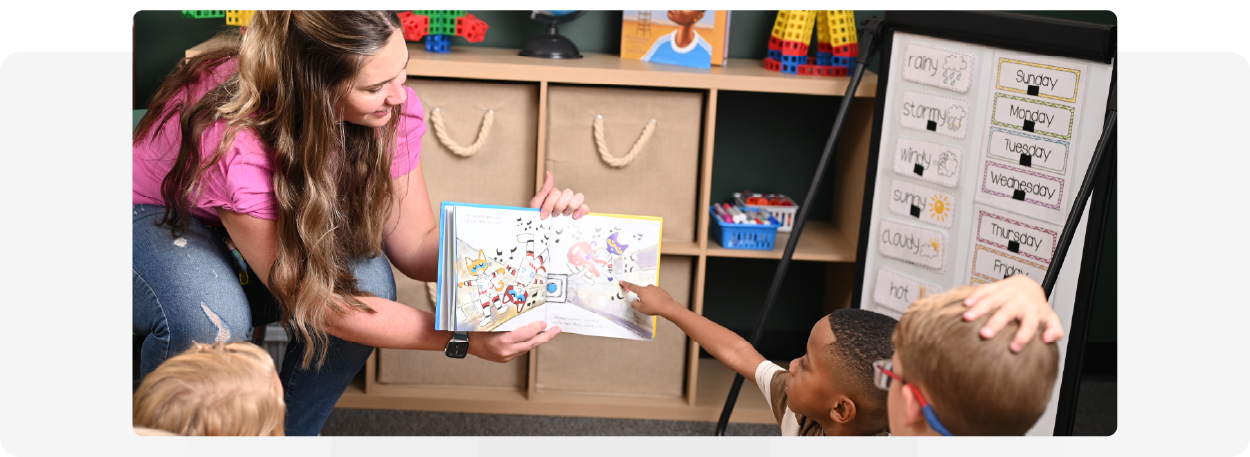
Why Reading Is a Natural Teaching Tool for Educators
The same thing that makes reading comfortable for students also makes it powerful for teachers: it’s familiar and trusted.
Most early childhood educators already have strong literacy instruction skills. They feel confident as they lead a read-aloud, spark conversation about a story, ask open-ended questions, facilitate discussion, introduce vocabulary, and encourage students to think critically about a text. Starting STEM with a story allows educators to build from strengths they already have.
Using books to introduce STEM isn’t a detour from literacy instruction; it’s an extension of it.
This approach allows educators to:
-
Build on what they already do well. Teachers don’t need to abandon existing lesson plans or learn a new instructional approach. STEM can fit naturally into read-aloud and discussion blocks. Asking comprehension and prediction questions already feels intuitive; extending those questions into problem-solving feels like a logical next step.
-
Reinforce cross-curricular goals. Story-based STEM supports comprehension, vocabulary, speaking, and listening standards, all while introducing science and engineering practices.
-
Feel empowered, not intimidated. Starting with a story reframes the teacher’s role from knower to noticer. Instead of delivering direct instruction, the educator guides exploration. They pose questions, notice patterns, and help students make connections. The learning unfolds through discovery and dialogue, not through lecture.
-
Model curiosity. When educators feel comfortable, they’re more likely to engage enthusiastically and model the kind of inquiry we want students to adopt.
This kind of integration also saves time. Rather than trying to “fit in STEM” as a separate subject, teachers can use existing classroom time more efficiently, layering STEM learning onto read-alouds and discussion blocks they’re already facilitating.
Books Make STEM Believable
When we frame STEM learning through story, we make it feel personal. Tangible. Possible.
Students connect emotionally with characters. They imagine new outcomes. They begin to see STEM not as a subject they have to master, but as a way to solve problems and explore the world. That shift in mindset is powerful, especially for children who might otherwise decide that STEM isn’t “for them.”
And when teachers approach STEM from a place of comfort, it becomes something they can guide with confidence. No extra degrees. No high-tech setups. Just a book, a challenge, some hands-on materials, and a willingness to explore together.
Stories and STEM may come from different corners of the classroom, but when they meet in the middle, they open a whole new world of possibilities.
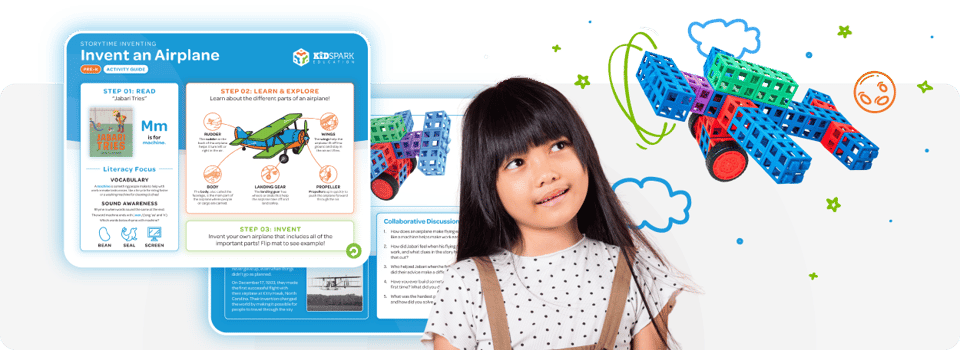
Make the Connection: Kid Spark's Early Childhood STEM & Literacy Program
The value of connecting story and STEM is clear. What makes it work in real classrooms is having a clear structure to follow. With the right tools and support, integration becomes purposeful and sustainable.
Kid Spark Education’s Early Childhood STEM & Literacy Program was designed to provide exactly that support.
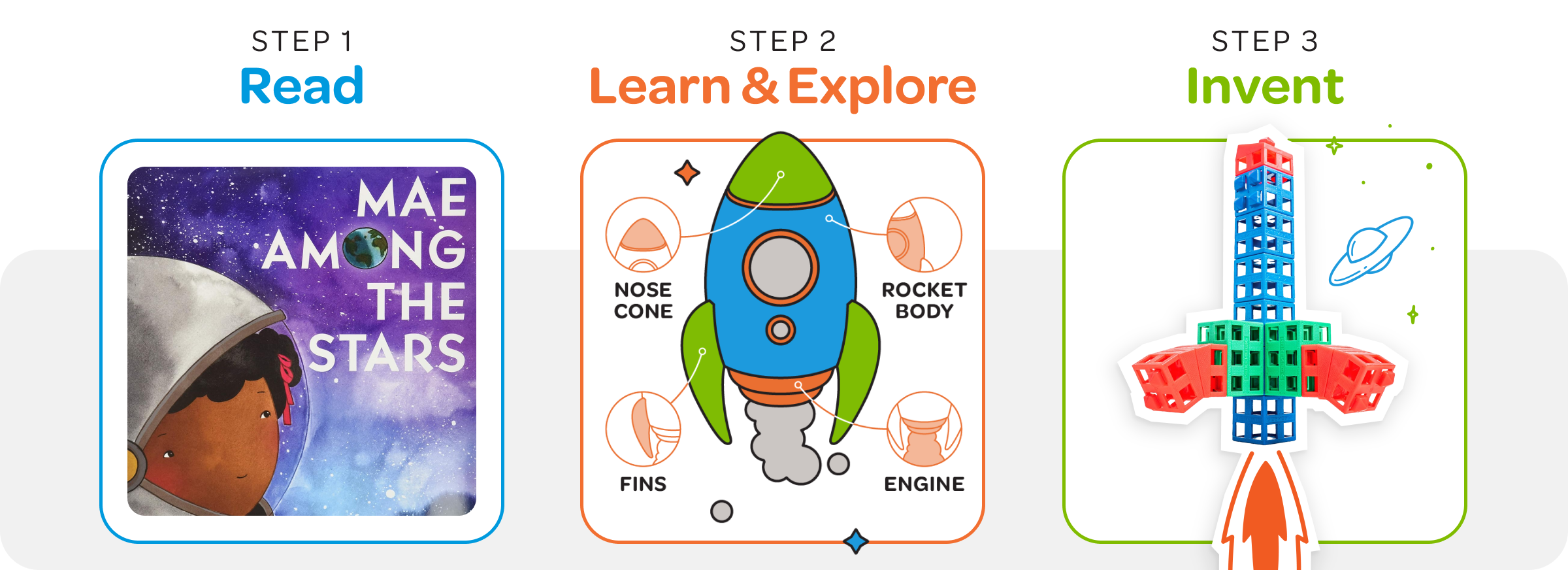
Each lesson follows a purposeful structure:
-
Read: Every lesson begins with a carefully selected children’s book. Educators lead a read-aloud that introduces lesson themes and a challenge or idea to inspire STEM exploration.
-
Learn & Explore: Educators lead students as they explore key concepts through guided questions to spark conversation.
-
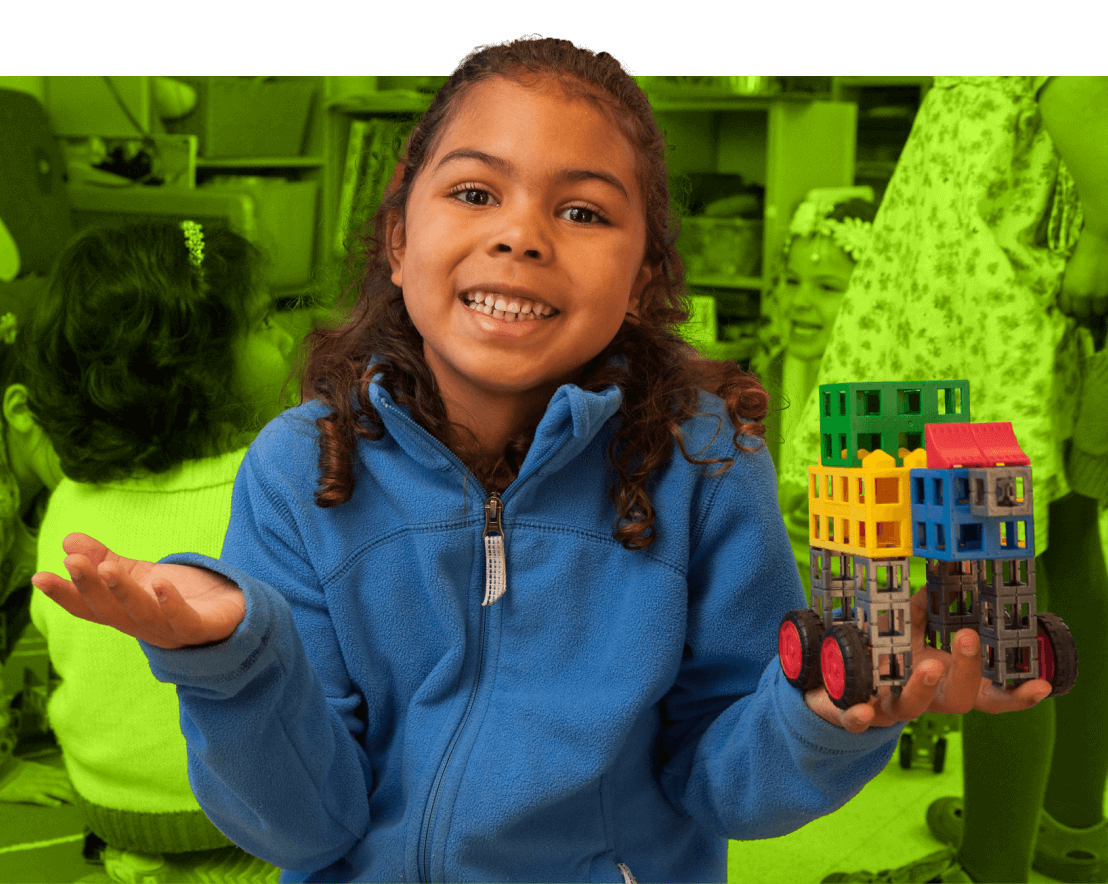
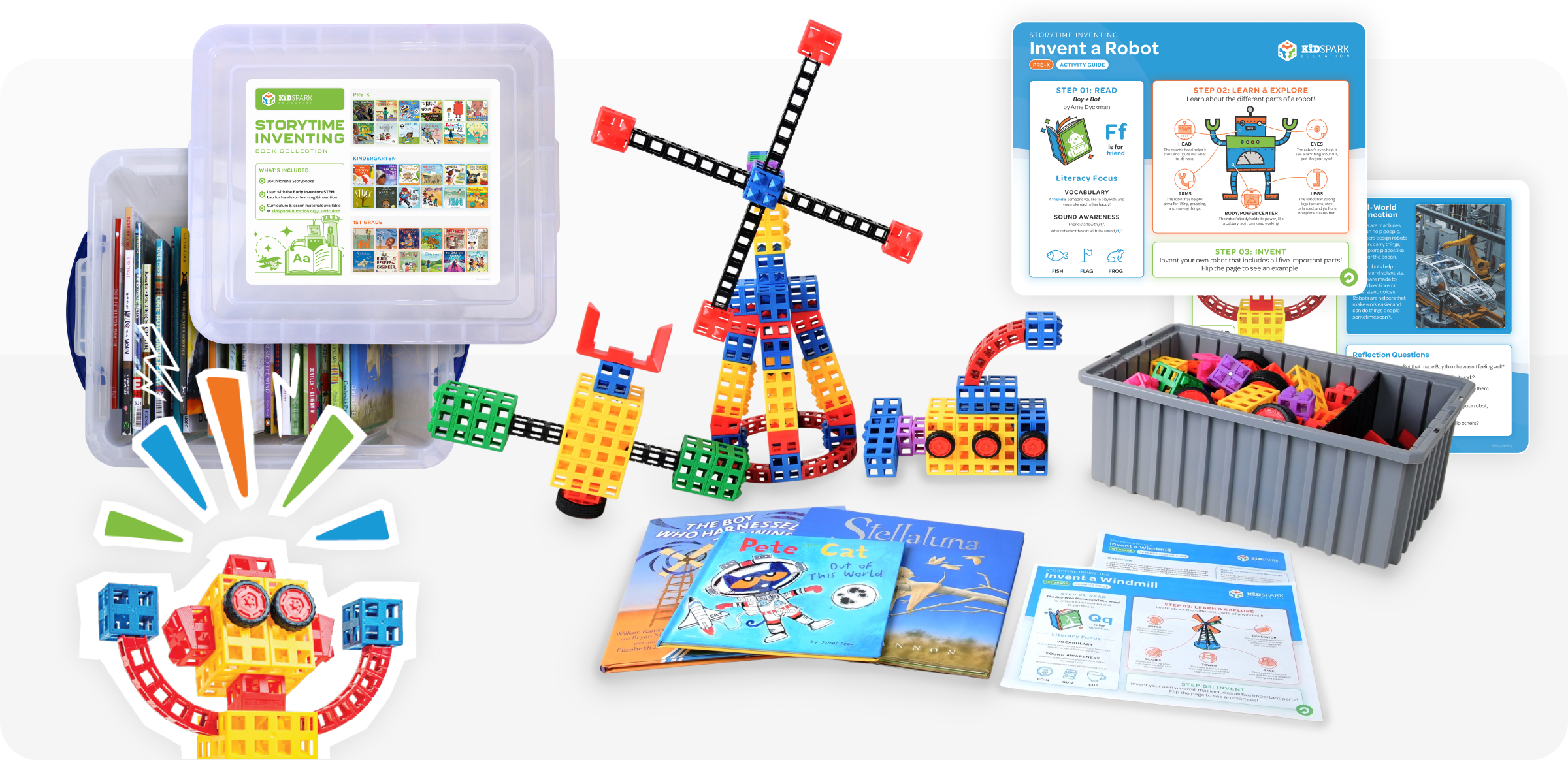
Invent: Students move into hands-on invention, using the Kid Spark Early Inventors STEM Lab to design a solution connected to the story's problem or idea.
The program includes:
-
Clear, step-by-step teacher lesson plans that are easy to follow, while leaving room for educators to adapt, personalize, and make the learning experience their own.
-
Slide companions designed to support diverse learners through clear visuals, embedded literacy components such as vocabulary and phonological awareness, reflection prompts, and guided invention support; all aligned with Universal Design for Learning (UDL) principles.
-
Engaging activity guides for students featuring example builds, literacy supports, and real-world connections to guide invention.
-
Kid Spark Early Inventors Labs, filled with durable, reusable engineering materials designed for ongoing classroom use.
-
The Storytime Inventing Book Collection, featuring 36 curated, classroom-ready books for Pre-K–1 learners that connect read-aloud experiences to hands-on STEM exploration, including a diverse mix of fiction and nonfiction titles and 12 sports-themed lessons developed with Special Olympics Washington.
-
Professional learning resources to support confident implementation.
The goal is not to ask educators to design this integration on their own. The goal is to provide a thoughtful framework that turns belief into practice.
When story becomes the entry point, and invention becomes the response, literacy and STEM no longer compete for time. They strengthen one another.
Ready to see how story-based STEM can transform your classroom?